It’s very common for dog owners to worry about food allergies. While dogs can develop food allergies, it’s important to carefully observe symptoms and confirm them with a veterinarian. Here’s what you need to know:
Food allergies in dogs are usually related to proteins (beef, chicken, dairy, eggs, or fish) but can sometimes include grains or other ingredients. Common symptoms include:
- Skin problems: Itchy skin, redness, hives, or rashes
- Ear infections: Chronic or recurring ear infections
- Gastrointestinal issues: Vomiting, diarrhea, or excessive gas
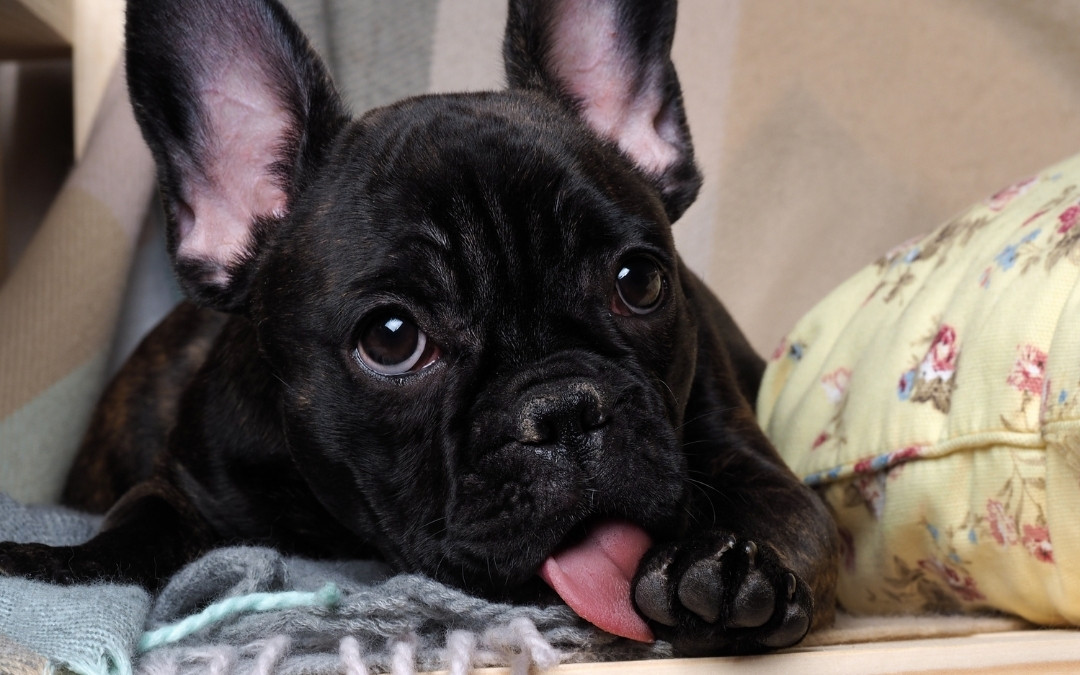
- Paw chewing or licking: Persistent licking of paws or face
- Hair loss or scabs: Especially on elbows, chest, or groin
⚠️Important: These signs can also indicate environmental allergies, parasites, infections, or other medical conditions.
What to Do If You Suspect a Food Allergy
- Talk to your veterinarian: They can rule out other causes and help plan a proper diagnosis.
- Try an elimination diet: Under veterinary guidance, you feed a special diet with a novel protein or hydrolyzed protein for 8–12 weeks. Symptoms should improve if food is the cause.
- Reintroduce old foods slowly: If symptoms return when you reintroduce certain ingredients, this confirms a food allergy.
- Avoid self-diagnosis: Over-the-counter diets or supplements may not be effective and could delay proper treatment.
In Summary
- Dogs can develop food allergies, most often to specific proteins.
- Signs include itching, skin problems, chronic ear infections, vomiting, or diarrhea.
- Diagnosis requires careful veterinary guidance, usually with an elimination diet.
- Don’t assume any skin or GI issue is food-related—always check with your vet first.