
If you’ve ever found a tick on your dog, your heart probably skipped a beat. That small bump can bring up a lot of questions—and worry. You’re not overreacting. Ticks can carry diseases, and it’s completely normal to want to protect your pet.
At Midland Animal Hospital, we’re here to help you understand the risks and take simple, effective steps to keep your pet safe.
What Diseases Can Ticks Spread?
Ticks feed on blood, and during that feeding process, they can transmit infectious organisms into your dog’s bloodstream.
Some of the most common tick-borne diseases we see include:
- Lyme disease
Can cause joint pain, fever, lethargy, and sometimes kidney complications. - Ehrlichiosis
May lead to fever, bruising, low platelet counts, and chronic illness if untreated. - Anaplasmosis
Often causes joint pain, fever, and decreased appetite. - Rocky Mountain spotted fever
Can cause fever, neurological signs, and inflammation of blood vessels.
Many tick-borne diseases start with vague symptoms like tiredness or limping, which can make them easy to miss at first.
How Do Dogs Get Tick-Borne Diseases?
Dogs typically pick up ticks when they:
- Walk through tall grass or wooded areas
- Spend time in yards with heavy vegetation
- Visit parks, hiking trails, or rural properties
Ticks don’t jump or fly—they wait on vegetation and attach as animals brush past.
Because ticks are common in Georgia’s warm climate, prevention is especially important year-round.
What Should You Watch For?
Symptoms of tick-borne illness may include:
- Fever
- Limping or stiffness
- Swollen joints
- Loss of appetite
- Lethargy
- Unexplained bruising or bleeding
Some dogs show very subtle signs, which is why routine screening tests during annual exams are so valuable.
When Should You Be Concerned?
Contact your veterinarian if your dog:
- Develops limping that shifts between legs
- Seems unusually tired
- Has a fever
- Shows bruising or pale gums
- Has had a recent tick attachment and isn’t acting like themselves
The good news is that many tick-borne diseases respond well to treatment—especially when caught early.
Prevention Is Key
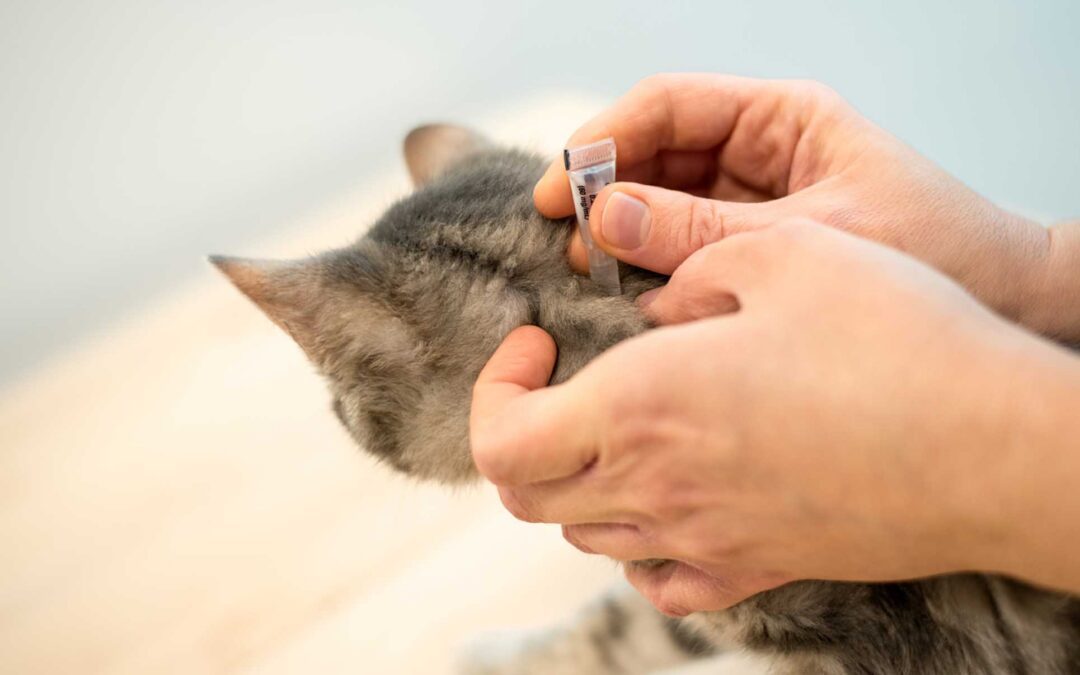
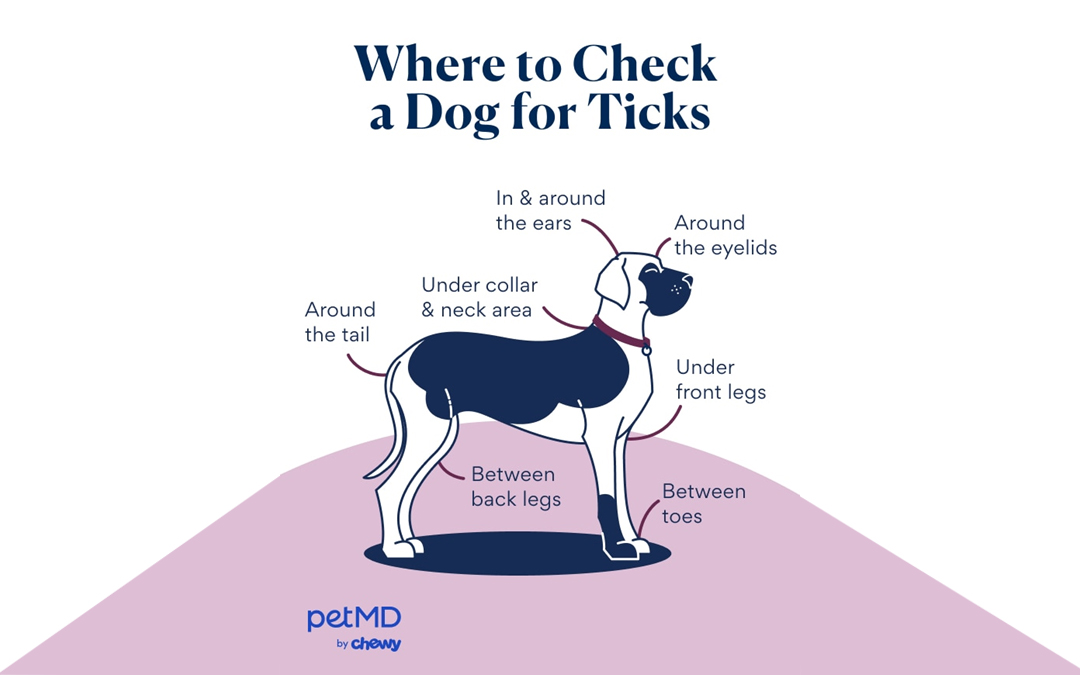
Monthly flea and tick prevention significantly reduces the risk of disease transmission. Regular tick checks at home (especially after outdoor activity) are also helpful.
If you’re unsure which prevention is best for your pet’s lifestyle, we’re happy to talk through options with you.
At Midland Animal Hospital, we’re committed to treating your pets like family.
If you’re ever unsure, we’re just a phone call away—ready to listen, guide you, and provide the care your pet needs to feel better.
MESSAGE US NOW at Midlandah.com, Midlandah@gmail.com or call 706 323-8316.
In summary
Ticks can spread diseases like Lyme disease, ehrlichiosis, anaplasmosis, and Rocky Mountain spotted fever. Symptoms may include fever, limping, lethargy, and appetite changes. Many infections are treatable if caught early, and year-round tick prevention is the best protection. If your dog isn’t acting like themselves after a tick bite, contact your veterinarian.