
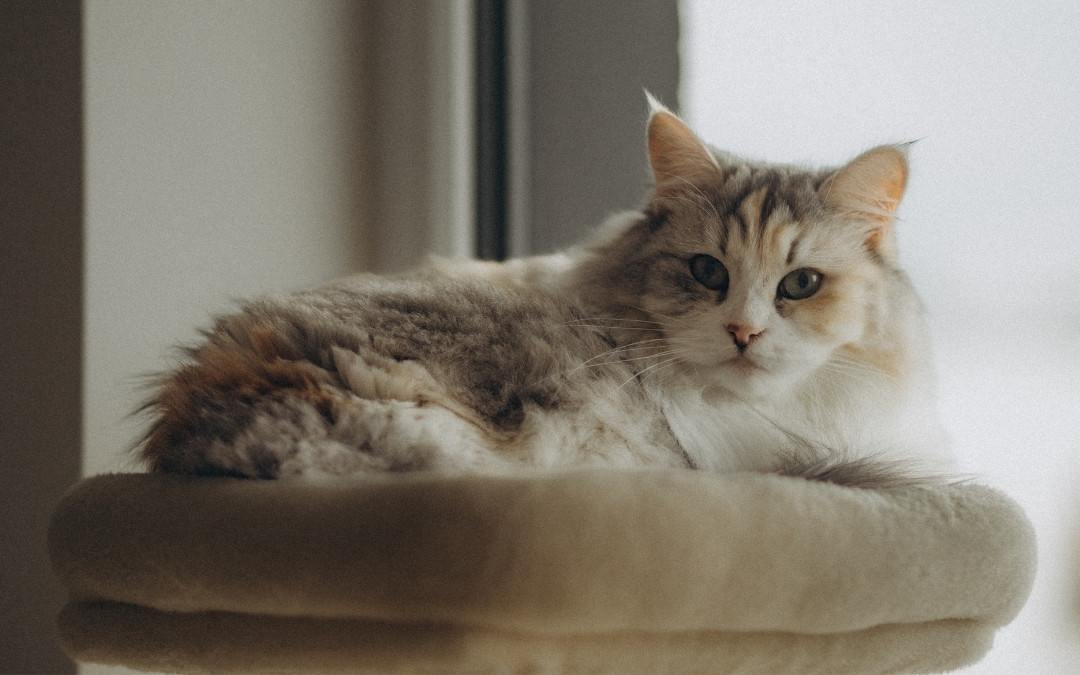
Why Cats Purr
Cats purr for several reasons—and not all of them mean happiness (though many do!):
1. Contentment and Relaxation
The most common reason. When a cat is curled up, being petted, or drifting to sleep, purring signals comfort and trust.
2. Communication
Cats may purr to communicate with people or other cats, especially to say “I feel safe” or “stay close.”
3. Self-Soothing
Cats also purr when stressed, anxious, or healing.
Vibrations from purring can actually help reduce pain and promote healing—nature’s built-in therapy!
4. Seeking Attention
Many cats develop a special “solicitation purr” that sounds like a mix of a meow and a purr—used to get your attention or ask for food.
Why Cats Knead
Kneading—sometimes called “making biscuits”—is another instinctive behavior with several meanings:
1. Comfort From Kittenhood
Kittens knead their mother while nursing to stimulate milk flow.
Adult cats continue the motion because it feels comforting and safe.
2. Marking Territory
Cat paws have scent glands. When they knead you or a blanket, they’re leaving behind their scent:
“This is mine… and I love it.”
3. Preparing a Resting Spot
In the wild, cats knead grass or leaves to create a soft sleeping area. Indoor cats still do this before settling in for a nap.
4. Showing Happiness
If your cat kneads you, it means they feel relaxed, secure, and bonded with you.
When It Might Be a Problem
Purring or kneading paired with these signs may signal discomfort:
• Hiding
• Changes in appetite
• Low energy
• Vocalizing more
• Limping or sensitivity to touch
If you notice any unusual symptoms, a check-up is a good idea.